Buy tischtennis.online ?
We are moving the project
tischtennis.online .
Are you interested in purchasing the domain
tischtennis.online ?
domain@kv-gmbh.de · 0541-91531010
Buy tischtennis.online ?
Can isotopes occur naturally?
Yes, isotopes can occur naturally. Isotopes are variants of a particular chemical element that have the same number of protons but different numbers of neutrons. Many elements have naturally occurring isotopes, and they can be found in various proportions in nature. For example, carbon has three naturally occurring isotopes: carbon-12, carbon-13, and carbon-14. These isotopes are formed through natural processes such as radioactive decay and nuclear reactions. **
Can one read the isotopes in the periodic table of elements?
No, one cannot read the isotopes directly from the periodic table of elements. The periodic table typically lists the average atomic mass of each element, which takes into account the abundance of each isotope. However, if one wants to know the specific isotopes of an element, they would need to consult a more detailed resource such as a chart of nuclides or a database of isotopic information. These resources provide information about the different isotopes of each element, including their specific atomic mass and abundance. **

Similar search terms for Isotopes
Top-Angebote
Products related to Isotopes:
-
Head Evo Speed Padel RacketThe Head Evo Speed Padel Racket is a nice way to get started with padel. It’s light in hand, with a lower balance that feels easier to handle during rallies.The oversized teardrop shape gives you a large sweet spot, which helps when your timing isn’t perfect. The fibreglass surface and soft foam...64,95 £*Shipping: 4,95 £Secure redirect to the provider
-
Yonex Astrox Nextage Badminton RacketThe Yonex Astrox Nextage Badminton Racket leans into power, with a head-heavy balance that puts more weight behind your shots. The medium flex feels smooth and steady in your hands.The frame softens the feel on contact, with vibration dampening mesh reducing shock. The weight distribution helps...109,95 £*Shipping: 0,00 £Secure redirect to the provider
-
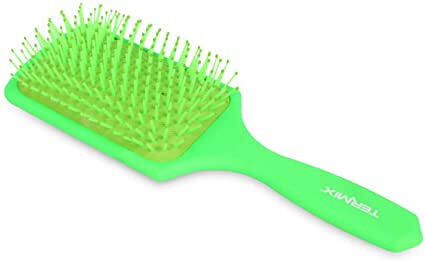
Termix Fluor Racket Brush GreenHealth and Beauty Brushes Termix Fluor Racket Brush Green The most versatile daily brush for hair care. Goodbye to jerks. Detangles wet and dry. Take care of the scalp and get a simple blow-drying with the dryer.5,94 £*Shipping: 3,99 £Secure redirect to the provider


-
How do neutrons enter isotopes?
Neutrons enter isotopes through a process called neutron capture. Neutron capture occurs when a neutron is absorbed by the nucleus of an atom, resulting in the formation of a new isotope. This process can change the atomic mass of the isotope without affecting its chemical properties. Neutron capture plays a crucial role in nuclear reactions and the formation of heavy elements in stars. **
-
What are isotopes in chemistry?
Isotopes are atoms of the same element that have the same number of protons but different numbers of neutrons. This means that isotopes have the same atomic number but different atomic masses. For example, carbon-12 and carbon-14 are isotopes of carbon. Isotopes can have different physical properties, such as different atomic masses, but they have similar chemical properties because they have the same number of protons and electrons. **
-
How do radioactive isotopes decay?
Radioactive isotopes decay through the process of emitting radiation in the form of alpha particles, beta particles, or gamma rays. This emission of radiation occurs as the unstable nucleus of the isotope seeks to reach a more stable state. The type of decay that occurs depends on the specific isotope and its atomic structure. Over time, the decay process transforms the original isotope into a different element or a different isotope of the same element. **
-
Are there isotopes, yes or no?
Yes, there are isotopes. Isotopes are atoms of the same element that have the same number of protons but different numbers of neutrons. This results in variations in atomic mass for a given element. **


What are the properties of isotopes?
Isotopes are atoms of the same element that have the same number of protons but different numbers of neutrons. This means that isotopes have the same chemical properties, but different physical properties due to their different atomic masses. Isotopes of an element have similar chemical behavior because they have the same number of electrons and therefore the same electron configuration. Isotopes are used in a variety of applications, including carbon dating, medical imaging, and nuclear power. **
Could one describe isotopes like this?
Isotopes are atoms of the same element that have the same number of protons but different numbers of neutrons. This means that isotopes have the same chemical properties but different atomic masses. Therefore, one could describe isotopes as variations of the same element with different atomic masses due to differing numbers of neutrons. **
Top-Angebote
Products related to Isotopes:
-
Dunlop Megamax Padel RacketThe Dunlop Megamax Padel Racket feels easy to pick up and play with. The round head shape gives you a larger sweet spot, helping you connect more cleanly and keep shots on line.The graphite frame feels light in your hand with a solid response, and the 38 mm profile gives a balanced mix of power...54,95 £*Shipping: 4,95 £Secure redirect to the provider
-
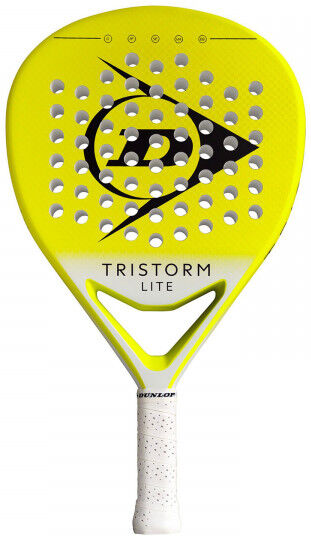
Dunlop Tristorm Lite Padel RacketThe Dunlop Tristorm Lite Padel Racket gives your shots more punch when you step in to attack. The diamond head shape adds extra weight behind the ball, helping you hit with more intent.The graphite frame feels light in your hand, with a steady, solid response on contact. Power frame design adds a...84,95 £*Shipping: 4,95 £Secure redirect to the provider
-
Head Evo Speed Padel RacketThe Head Evo Speed Padel Racket is a nice way to get started with padel. It’s light in hand, with a lower balance that feels easier to handle during rallies.The oversized teardrop shape gives you a large sweet spot, which helps when your timing isn’t perfect. The fibreglass surface and soft foam...64,95 £*Shipping: 4,95 £Secure redirect to the provider
-
Yonex Astrox Nextage Badminton RacketThe Yonex Astrox Nextage Badminton Racket leans into power, with a head-heavy balance that puts more weight behind your shots. The medium flex feels smooth and steady in your hands.The frame softens the feel on contact, with vibration dampening mesh reducing shock. The weight distribution helps...109,95 £*Shipping: 0,00 £Secure redirect to the provider
-
Can isotopes occur naturally?
Yes, isotopes can occur naturally. Isotopes are variants of a particular chemical element that have the same number of protons but different numbers of neutrons. Many elements have naturally occurring isotopes, and they can be found in various proportions in nature. For example, carbon has three naturally occurring isotopes: carbon-12, carbon-13, and carbon-14. These isotopes are formed through natural processes such as radioactive decay and nuclear reactions. **
-
Can one read the isotopes in the periodic table of elements?
No, one cannot read the isotopes directly from the periodic table of elements. The periodic table typically lists the average atomic mass of each element, which takes into account the abundance of each isotope. However, if one wants to know the specific isotopes of an element, they would need to consult a more detailed resource such as a chart of nuclides or a database of isotopic information. These resources provide information about the different isotopes of each element, including their specific atomic mass and abundance. **
-
How do neutrons enter isotopes?
Neutrons enter isotopes through a process called neutron capture. Neutron capture occurs when a neutron is absorbed by the nucleus of an atom, resulting in the formation of a new isotope. This process can change the atomic mass of the isotope without affecting its chemical properties. Neutron capture plays a crucial role in nuclear reactions and the formation of heavy elements in stars. **
-
What are isotopes in chemistry?
Isotopes are atoms of the same element that have the same number of protons but different numbers of neutrons. This means that isotopes have the same atomic number but different atomic masses. For example, carbon-12 and carbon-14 are isotopes of carbon. Isotopes can have different physical properties, such as different atomic masses, but they have similar chemical properties because they have the same number of protons and electrons. **
Similar search terms for Isotopes
-
Termix Fluor Racket Brush GreenHealth and Beauty Brushes Termix Fluor Racket Brush Green The most versatile daily brush for hair care. Goodbye to jerks. Detangles wet and dry. Take care of the scalp and get a simple blow-drying with the dryer.5,94 £*Shipping: 3,99 £Secure redirect to the provider
-
Yonex Astrox 88 Play Badminton RacketThe Yonex Astrox 88 Play Badminton Racket is a great place to start as you build your game. The head-heavy balance adds power to your shots, and the medium flex gives a smooth, controlled feel.The isometric frame creates a larger sweet spot, which helps on off-centre hits. The slim shaft gives...83,95 £*Shipping: 4,95 £Secure redirect to the provider
-
Yonex Arcsaber 7 Play Badminton RacketThe Yonex Arcsaber 7 Play Badminton Racket puts control at the centre of your game. The frame holds the shuttle a touch longer on the strings before release, giving you better feel on placement and timing.The isometric frame creates a larger sweet spot, which helps on off-centre hits. The hi-flex...54,95 £*Shipping: 4,95 £Secure redirect to the provider
-
How do radioactive isotopes decay?
Radioactive isotopes decay through the process of emitting radiation in the form of alpha particles, beta particles, or gamma rays. This emission of radiation occurs as the unstable nucleus of the isotope seeks to reach a more stable state. The type of decay that occurs depends on the specific isotope and its atomic structure. Over time, the decay process transforms the original isotope into a different element or a different isotope of the same element. **
-
Are there isotopes, yes or no?
Yes, there are isotopes. Isotopes are atoms of the same element that have the same number of protons but different numbers of neutrons. This results in variations in atomic mass for a given element. **
-
What are the properties of isotopes?
Isotopes are atoms of the same element that have the same number of protons but different numbers of neutrons. This means that isotopes have the same chemical properties, but different physical properties due to their different atomic masses. Isotopes of an element have similar chemical behavior because they have the same number of electrons and therefore the same electron configuration. Isotopes are used in a variety of applications, including carbon dating, medical imaging, and nuclear power. **
-
Could one describe isotopes like this?
Isotopes are atoms of the same element that have the same number of protons but different numbers of neutrons. This means that isotopes have the same chemical properties but different atomic masses. Therefore, one could describe isotopes as variations of the same element with different atomic masses due to differing numbers of neutrons. **
* All prices are inclusive of VAT and, if applicable, plus shipping costs. The offer information is based on the details provided by the respective shop and is updated through automated processes. Real-time updates do not occur, so deviations can occur in individual cases. ** Note: Parts of this content were created by AI.