Buy tischtennis.online ?
We are moving the project
tischtennis.online .
Are you interested in purchasing the domain
tischtennis.online ?
domain@kv-gmbh.de · 0541-91531010
Buy tischtennis.online ?
What is the correct grammar for paddle racket?
The correct grammar for paddle racket is "paddle racket." In this term, "paddle" is used as an adjective to describe the type of racket, so it does not need to be pluralized. The word "racket" remains singular as it refers to the object being described. **
Can the ball touch the net during a serve in volleyball?
Yes, the ball can touch the net during a serve in volleyball as long as it goes over the net and into the opponent's court. However, if the ball hits the net and does not go over, it is considered a fault and the serving team loses the point. Players often aim to serve the ball over the net without touching it, but a slight touch of the net is allowed as long as the ball continues into the opponent's court. **

Similar search terms for Charge
Top-Angebote
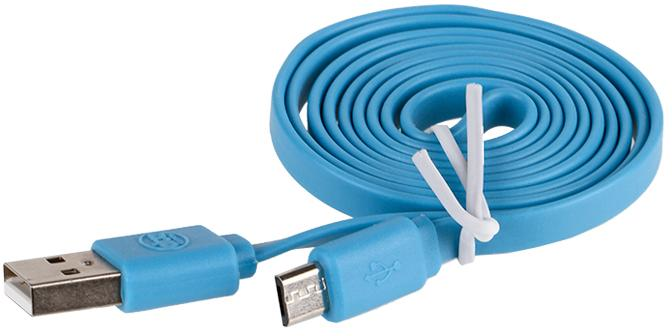
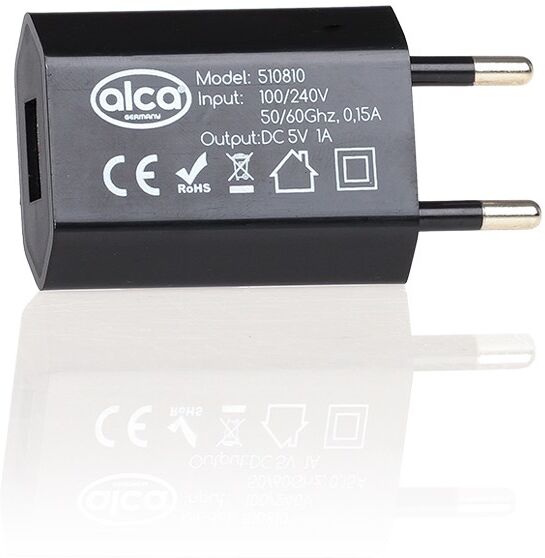
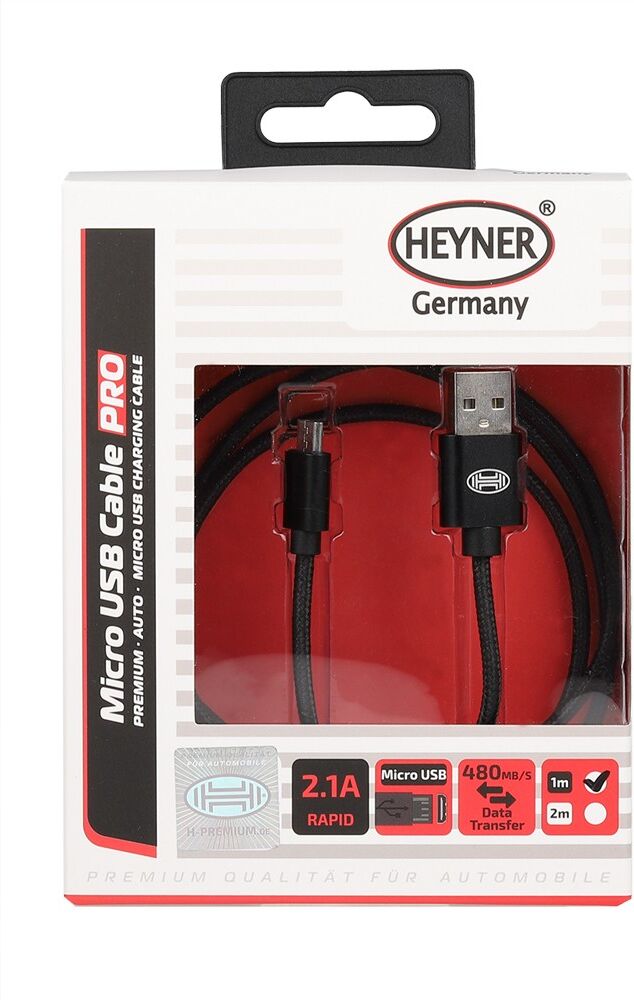
Products related to Charge:


-
Which table tennis racket and rubber?
The best table tennis racket and rubber for you will depend on your playing style and skill level. For beginners, a pre-assembled racket with a good balance of control and spin is recommended. As you advance, customizing your racket with a blade that suits your playing style and rubber that complements your strengths can enhance your performance. It's important to try out different combinations to find what works best for you. **
-
Are charge carriers and charge the same thing?
Charge carriers and charge are not the same thing. Charge refers to the property of matter that causes it to experience a force when placed in an electromagnetic field, while charge carriers are the particles that carry electric charge, such as electrons in a conductor or ions in an electrolyte. Charge carriers can be positive or negative, while charge itself is a fundamental property of matter. In summary, charge carriers are the particles that carry charge, while charge is the property itself. **
-
How do you charge the JBL Charge 4?
The JBL Charge 4 can be charged using the included USB-C cable and a compatible power source such as a wall adapter or a computer. Simply plug the USB-C cable into the charging port on the speaker and the other end into the power source. The speaker's LED indicator will show the charging status, and it typically takes about 4 hours to fully charge the JBL Charge 4. Once fully charged, the speaker can provide up to 20 hours of playtime. **
-
How much does the racket cost if a racket and a ball together cost 110 and the racket costs 1 more than the ball?
Let's call the cost of the racket R and the cost of the ball B. We know that R + B = 110 and R = B + 1. We can use substitution to solve for the cost of the racket. Substituting R = B + 1 into the first equation, we get (B + 1) + B = 110, which simplifies to 2B + 1 = 110. Solving for B, we get B = 54.5. Then, substituting B = 54.5 into the equation R = B + 1, we get R = 55.5. Therefore, the cost of the racket is 55.5. **
How can one recognize the charge based on the periodic table?
One can recognize the charge of an element based on its position in the periodic table. Elements in the same group or column of the periodic table have similar chemical properties, including their charge. For example, elements in group 1 (such as lithium, sodium, and potassium) typically have a +1 charge, while elements in group 2 (such as magnesium and calcium) typically have a +2 charge. Similarly, elements in group 17 (such as fluorine and chlorine) typically have a -1 charge. By understanding the periodic trends and groupings, one can predict the charge of an element based on its position in the periodic table. **
How can one identify the charge based on the periodic table?
To identify the charge of an element based on the periodic table, one can look at the group number of the element. Elements in group 1 typically have a +1 charge, elements in group 2 have a +2 charge, elements in group 17 have a -1 charge, and elements in group 16 have a -2 charge. Transition metals can have variable charges, so it is important to refer to a table of common oxidation states for these elements. Additionally, elements in group 18 (noble gases) have a charge of 0 since they are stable and do not readily form ions. **
Top-Angebote
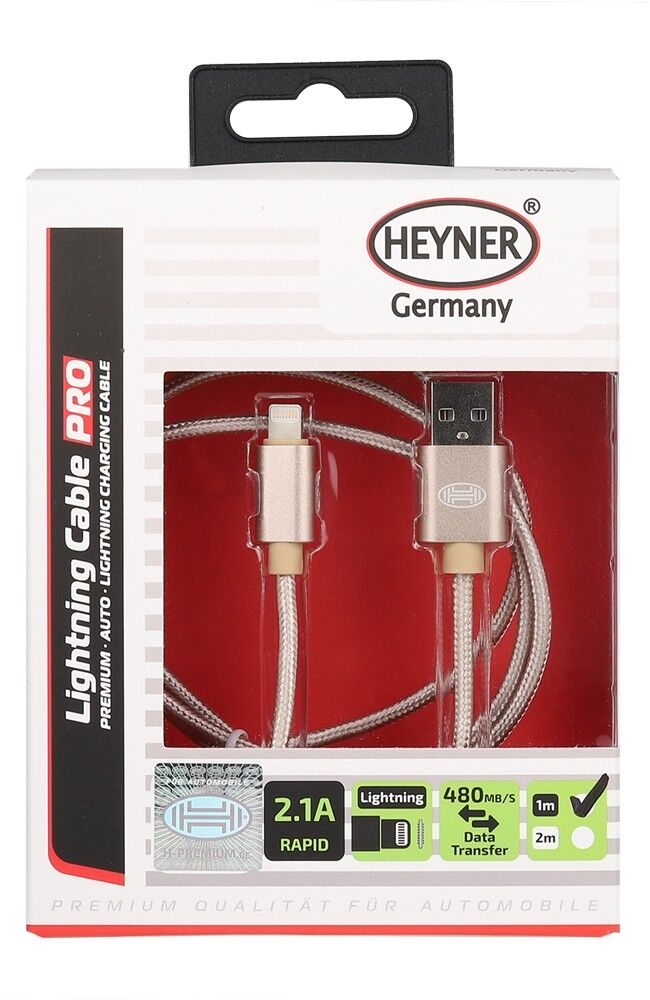
Products related to Charge:
-
Everyday Crate Mijobs Magnetic Fitbit Charge 6 Band Stainless Steel Metal Watch Band For Fitbit Charge 5 Charge 6 goldExperience a premium upgrade that blends comfort with timeless style. This Fitbit Charge 6 band is crafted from durable stainless steel watch band material, giving your fitness tracker a refined look for work, travel, or everyday wear. The magnetic...34,97 $*Shipping: 0,00 $Secure redirect to the provider
-
What is the correct grammar for paddle racket?
The correct grammar for paddle racket is "paddle racket." In this term, "paddle" is used as an adjective to describe the type of racket, so it does not need to be pluralized. The word "racket" remains singular as it refers to the object being described. **
-
Can the ball touch the net during a serve in volleyball?
Yes, the ball can touch the net during a serve in volleyball as long as it goes over the net and into the opponent's court. However, if the ball hits the net and does not go over, it is considered a fault and the serving team loses the point. Players often aim to serve the ball over the net without touching it, but a slight touch of the net is allowed as long as the ball continues into the opponent's court. **
-
Which table tennis racket and rubber?
The best table tennis racket and rubber for you will depend on your playing style and skill level. For beginners, a pre-assembled racket with a good balance of control and spin is recommended. As you advance, customizing your racket with a blade that suits your playing style and rubber that complements your strengths can enhance your performance. It's important to try out different combinations to find what works best for you. **
-
Are charge carriers and charge the same thing?
Charge carriers and charge are not the same thing. Charge refers to the property of matter that causes it to experience a force when placed in an electromagnetic field, while charge carriers are the particles that carry electric charge, such as electrons in a conductor or ions in an electrolyte. Charge carriers can be positive or negative, while charge itself is a fundamental property of matter. In summary, charge carriers are the particles that carry charge, while charge is the property itself. **
Similar search terms for Charge
-
How do you charge the JBL Charge 4?
The JBL Charge 4 can be charged using the included USB-C cable and a compatible power source such as a wall adapter or a computer. Simply plug the USB-C cable into the charging port on the speaker and the other end into the power source. The speaker's LED indicator will show the charging status, and it typically takes about 4 hours to fully charge the JBL Charge 4. Once fully charged, the speaker can provide up to 20 hours of playtime. **
-
How much does the racket cost if a racket and a ball together cost 110 and the racket costs 1 more than the ball?
Let's call the cost of the racket R and the cost of the ball B. We know that R + B = 110 and R = B + 1. We can use substitution to solve for the cost of the racket. Substituting R = B + 1 into the first equation, we get (B + 1) + B = 110, which simplifies to 2B + 1 = 110. Solving for B, we get B = 54.5. Then, substituting B = 54.5 into the equation R = B + 1, we get R = 55.5. Therefore, the cost of the racket is 55.5. **
-
How can one recognize the charge based on the periodic table?
One can recognize the charge of an element based on its position in the periodic table. Elements in the same group or column of the periodic table have similar chemical properties, including their charge. For example, elements in group 1 (such as lithium, sodium, and potassium) typically have a +1 charge, while elements in group 2 (such as magnesium and calcium) typically have a +2 charge. Similarly, elements in group 17 (such as fluorine and chlorine) typically have a -1 charge. By understanding the periodic trends and groupings, one can predict the charge of an element based on its position in the periodic table. **
-
How can one identify the charge based on the periodic table?
To identify the charge of an element based on the periodic table, one can look at the group number of the element. Elements in group 1 typically have a +1 charge, elements in group 2 have a +2 charge, elements in group 17 have a -1 charge, and elements in group 16 have a -2 charge. Transition metals can have variable charges, so it is important to refer to a table of common oxidation states for these elements. Additionally, elements in group 18 (noble gases) have a charge of 0 since they are stable and do not readily form ions. **
* All prices are inclusive of VAT and, if applicable, plus shipping costs. The offer information is based on the details provided by the respective shop and is updated through automated processes. Real-time updates do not occur, so deviations can occur in individual cases. ** Note: Parts of this content were created by AI.