Buy tischtennis.online ?
We are moving the project
tischtennis.online .
Are you interested in purchasing the domain
tischtennis.online ?
domain@kv-gmbh.de · 0541-91531010
Buy tischtennis.online ?
Why do you perform chest compressions?
Chest compressions are performed during cardiopulmonary resuscitation (CPR) to manually pump blood through the body when the heart is not able to do so effectively. This helps to maintain blood flow to vital organs, such as the brain, until more advanced medical help can arrive. The goal of chest compressions is to keep the person alive until their heart can be restarted or until emergency medical services can take over. **
What are air compressions and air dilutions?
Air compressions refer to the process of increasing the pressure of air by reducing its volume. This is typically achieved using a mechanical device such as a compressor. Air dilution, on the other hand, refers to the process of reducing the concentration of a substance in the air by mixing it with a larger volume of clean air. This can be done to reduce the concentration of pollutants or to lower the concentration of a specific gas in a confined space. Both air compressions and air dilutions are important processes in various industrial, commercial, and environmental applications. **

Similar search terms for Compressions
Top-Angebote
Products related to Compressions:
-
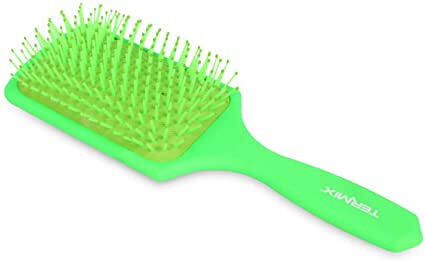
Termix Fluor Racket Brush GreenHealth and Beauty Brushes Termix Fluor Racket Brush Green The most versatile daily brush for hair care. Goodbye to jerks. Detangles wet and dry. Take care of the scalp and get a simple blow-drying with the dryer.5,96 £*Shipping: 3,99 £Secure redirect to the provider
-
Yonex Astrox Nextage Badminton RacketThe Yonex Astrox Nextage Badminton Racket leans into power, with a head-heavy balance that puts more weight behind your shots. The medium flex feels smooth and steady in your hands.The frame softens the feel on contact, with vibration dampening mesh reducing shock. The weight distribution helps...109,95 £*Shipping: 0,00 £Secure redirect to the provider
-
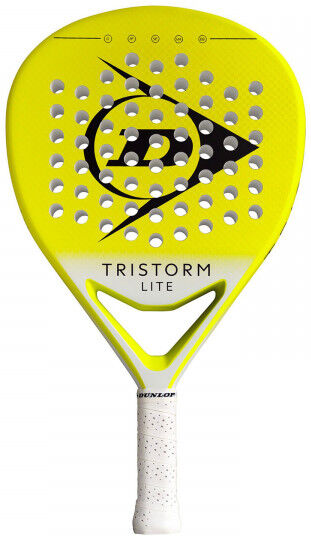
Dunlop Tristorm Lite Padel RacketThe Dunlop Tristorm Lite Padel Racket gives your shots more punch when you step in to attack. The diamond head shape adds extra weight behind the ball, helping you hit with more intent.The graphite frame feels light in your hand, with a steady, solid response on contact. Power frame design adds a...84,95 £*Shipping: 4,95 £Secure redirect to the provider
-
How do you perform chest compressions on a woman?
When performing chest compressions on a woman, the technique is the same as for a man. Place the heel of one hand on the center of the woman's chest, between the nipples. Place the other hand on top of the first hand and interlock the fingers. Keep your arms straight and position your shoulders directly above your hands. Press down firmly and quickly, allowing the chest to recoil completely between compressions. Remember to perform compressions at a rate of 100-120 per minute. **
-
How often do you perform chest compressions during resuscitation?
During resuscitation, chest compressions are typically performed at a rate of 100 to 120 compressions per minute. The compressions are performed continuously until emergency medical services arrive or until the person shows signs of life. **
-
What happens if you perform chest compressions without reason?
Performing chest compressions without reason can cause harm to the person receiving them. Chest compressions can cause broken ribs, damage to internal organs, and other injuries if not done properly or if not needed. It is important to only perform chest compressions when the person is in cardiac arrest and not breathing, as part of CPR. Otherwise, it is crucial to assess the situation and provide the appropriate care based on the person's condition. **
-
How to perform chest compressions on individuals with pectus excavatum?
When performing chest compressions on individuals with pectus excavatum, it is important to place the heel of your hand slightly higher on the sternum to ensure effective compression. This adjustment helps to avoid the deeper depression caused by the condition. It is also recommended to use the standard compression depth of at least 2 inches for adults and to maintain the proper rate of compressions at 100-120 per minute. Additionally, be mindful of any discomfort the individual may experience during the process and adjust your technique as needed. **


How to perform chest compressions on individuals with funnel chest?
When performing chest compressions on individuals with funnel chest, it is important to adjust the hand placement slightly. Instead of placing the heel of the hand in the center of the chest, it should be positioned slightly to the side of the sternum to avoid putting direct pressure on the depressed area. The compressions should still be performed at a rate of 100-120 per minute, with the chest being compressed at least 2 inches deep. It is crucial to ensure that the compressions are effective in order to maintain blood flow and circulation to vital organs. **
How do you perform chest compressions on individuals with pectus excavatum?
When performing chest compressions on individuals with pectus excavatum, it is important to place the heel of your hand slightly higher on the sternum to ensure effective compression. This adjustment helps to avoid putting excessive pressure on the chest wall and minimizes the risk of causing injury. It is also recommended to use the standard compression depth of at least 2 inches for adults and to maintain the proper rate of compressions, which is around 100-120 compressions per minute. Additionally, it is crucial to monitor the effectiveness of the compressions by checking for adequate chest rise and fall during CPR. **
Top-Angebote
Products related to Compressions:
-
Dunlop Megamax Padel RacketThe Dunlop Megamax Padel Racket feels easy to pick up and play with. The round head shape gives you a larger sweet spot, helping you connect more cleanly and keep shots on line.The graphite frame feels light in your hand with a solid response, and the 38 mm profile gives a balanced mix of power...54,95 £*Shipping: 4,95 £Secure redirect to the provider
-
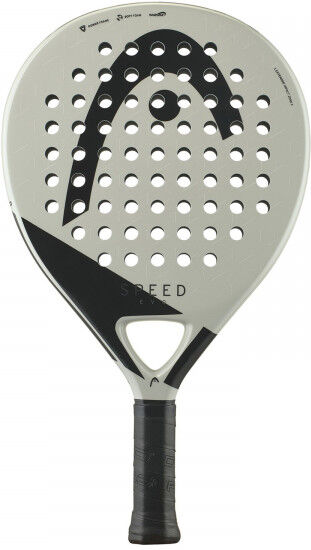
Head Evo Speed Padel RacketThe Head Evo Speed Padel Racket is a nice way to get started with padel. It’s light in hand, with a lower balance that feels easier to handle during rallies.The oversized teardrop shape gives you a large sweet spot, which helps when your timing isn’t perfect. The fibreglass surface and soft foam...64,95 £*Shipping: 4,95 £Secure redirect to the provider
-
Termix Fluor Racket Brush GreenHealth and Beauty Brushes Termix Fluor Racket Brush Green The most versatile daily brush for hair care. Goodbye to jerks. Detangles wet and dry. Take care of the scalp and get a simple blow-drying with the dryer.5,96 £*Shipping: 3,99 £Secure redirect to the provider
-
Yonex Astrox Nextage Badminton RacketThe Yonex Astrox Nextage Badminton Racket leans into power, with a head-heavy balance that puts more weight behind your shots. The medium flex feels smooth and steady in your hands.The frame softens the feel on contact, with vibration dampening mesh reducing shock. The weight distribution helps...109,95 £*Shipping: 0,00 £Secure redirect to the provider
-
Why do you perform chest compressions?
Chest compressions are performed during cardiopulmonary resuscitation (CPR) to manually pump blood through the body when the heart is not able to do so effectively. This helps to maintain blood flow to vital organs, such as the brain, until more advanced medical help can arrive. The goal of chest compressions is to keep the person alive until their heart can be restarted or until emergency medical services can take over. **
-
What are air compressions and air dilutions?
Air compressions refer to the process of increasing the pressure of air by reducing its volume. This is typically achieved using a mechanical device such as a compressor. Air dilution, on the other hand, refers to the process of reducing the concentration of a substance in the air by mixing it with a larger volume of clean air. This can be done to reduce the concentration of pollutants or to lower the concentration of a specific gas in a confined space. Both air compressions and air dilutions are important processes in various industrial, commercial, and environmental applications. **
-
How do you perform chest compressions on a woman?
When performing chest compressions on a woman, the technique is the same as for a man. Place the heel of one hand on the center of the woman's chest, between the nipples. Place the other hand on top of the first hand and interlock the fingers. Keep your arms straight and position your shoulders directly above your hands. Press down firmly and quickly, allowing the chest to recoil completely between compressions. Remember to perform compressions at a rate of 100-120 per minute. **
-
How often do you perform chest compressions during resuscitation?
During resuscitation, chest compressions are typically performed at a rate of 100 to 120 compressions per minute. The compressions are performed continuously until emergency medical services arrive or until the person shows signs of life. **
Similar search terms for Compressions
-
Dunlop Tristorm Lite Padel RacketThe Dunlop Tristorm Lite Padel Racket gives your shots more punch when you step in to attack. The diamond head shape adds extra weight behind the ball, helping you hit with more intent.The graphite frame feels light in your hand, with a steady, solid response on contact. Power frame design adds a...84,95 £*Shipping: 4,95 £Secure redirect to the provider
-
Yonex Astrox 88 Play Badminton RacketThe Yonex Astrox 88 Play Badminton Racket is a great place to start as you build your game. The head-heavy balance adds power to your shots, and the medium flex gives a smooth, controlled feel.The isometric frame creates a larger sweet spot, which helps on off-centre hits. The slim shaft gives...83,95 £*Shipping: 4,95 £Secure redirect to the provider
-
Yonex Arcsaber 7 Play Badminton RacketThe Yonex Arcsaber 7 Play Badminton Racket puts control at the centre of your game. The frame holds the shuttle a touch longer on the strings before release, giving you better feel on placement and timing.The isometric frame creates a larger sweet spot, which helps on off-centre hits. The hi-flex...54,95 £*Shipping: 4,95 £Secure redirect to the provider
-
What happens if you perform chest compressions without reason?
Performing chest compressions without reason can cause harm to the person receiving them. Chest compressions can cause broken ribs, damage to internal organs, and other injuries if not done properly or if not needed. It is important to only perform chest compressions when the person is in cardiac arrest and not breathing, as part of CPR. Otherwise, it is crucial to assess the situation and provide the appropriate care based on the person's condition. **
-
How to perform chest compressions on individuals with pectus excavatum?
When performing chest compressions on individuals with pectus excavatum, it is important to place the heel of your hand slightly higher on the sternum to ensure effective compression. This adjustment helps to avoid the deeper depression caused by the condition. It is also recommended to use the standard compression depth of at least 2 inches for adults and to maintain the proper rate of compressions at 100-120 per minute. Additionally, be mindful of any discomfort the individual may experience during the process and adjust your technique as needed. **
-
How to perform chest compressions on individuals with funnel chest?
When performing chest compressions on individuals with funnel chest, it is important to adjust the hand placement slightly. Instead of placing the heel of the hand in the center of the chest, it should be positioned slightly to the side of the sternum to avoid putting direct pressure on the depressed area. The compressions should still be performed at a rate of 100-120 per minute, with the chest being compressed at least 2 inches deep. It is crucial to ensure that the compressions are effective in order to maintain blood flow and circulation to vital organs. **
-
How do you perform chest compressions on individuals with pectus excavatum?
When performing chest compressions on individuals with pectus excavatum, it is important to place the heel of your hand slightly higher on the sternum to ensure effective compression. This adjustment helps to avoid putting excessive pressure on the chest wall and minimizes the risk of causing injury. It is also recommended to use the standard compression depth of at least 2 inches for adults and to maintain the proper rate of compressions, which is around 100-120 compressions per minute. Additionally, it is crucial to monitor the effectiveness of the compressions by checking for adequate chest rise and fall during CPR. **
* All prices are inclusive of VAT and, if applicable, plus shipping costs. The offer information is based on the details provided by the respective shop and is updated through automated processes. Real-time updates do not occur, so deviations can occur in individual cases. ** Note: Parts of this content were created by AI.